Centerville Foundation Pros
Wall Stabilization in Centerville, UT
Wall stabilization in Centerville, UT for bowing basement walls using steel anchors and carbon fiber straps. Free estimates.
Serving Centerville and nearby communities.
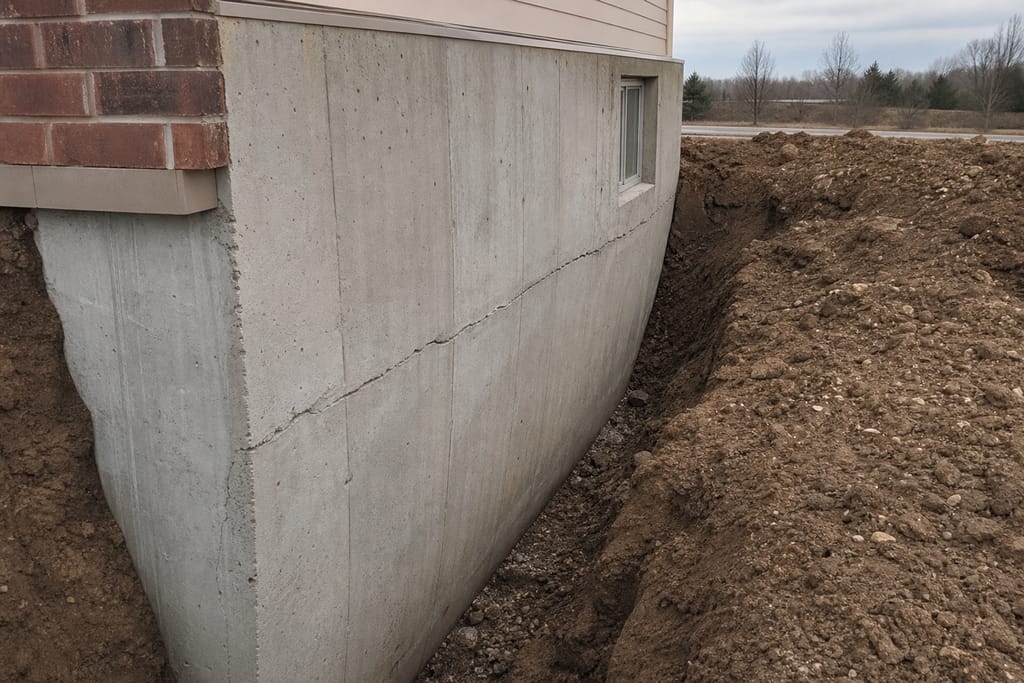
A bowing or leaning basement wall usually means something outside is pushing back against it, not just age. Along the Wasatch Front, saturated soil from spring snowmelt builds hydrostatic pressure against full basement walls. That pressure shows up as a horizontal crack near the top of the wall, or a visible inward bow.
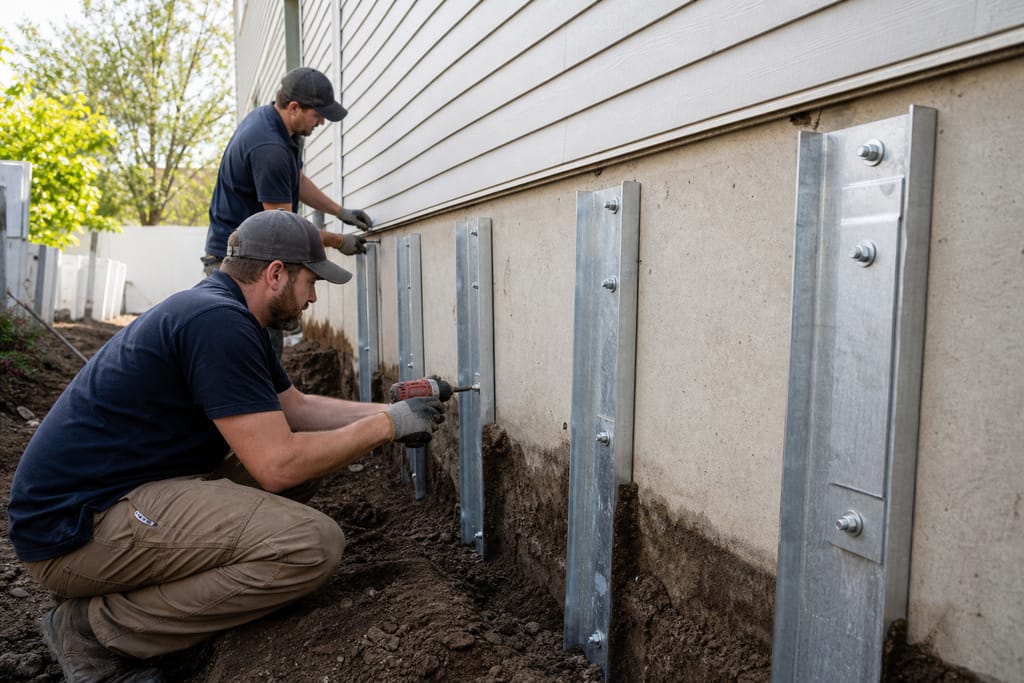
Wall stabilization stops that movement with steel anchors, carbon fiber straps, or braces matched to how far the wall has already moved.
What's included
What's Included with Wall Stabilization
Typically included: wall inspection and pressure assessment, reinforcement method selection, anchor or brace installation, and tensioning to gradually correct the wall.
Optional: exterior grading or drainage improvements to reduce future hydrostatic pressure, epoxy crack sealing on the same wall.
Customer prep: clear basement wall areas of storage and furniture, note which seasons the bowing seems worse (usually spring).
Want a clearer scope?
Get a Free EstimateHow it works
How Our Wall Stabilization Process Works
 Step 1
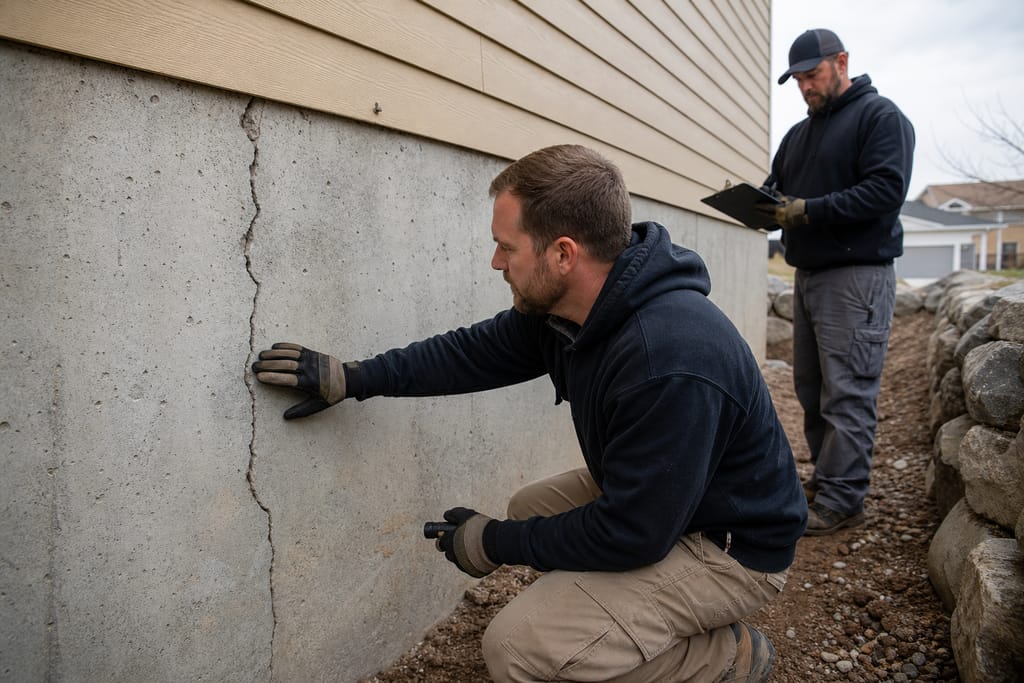
Wall Inspection
Technician examines the wall for bowing, cracking, or leaning indicators.
 Step 2
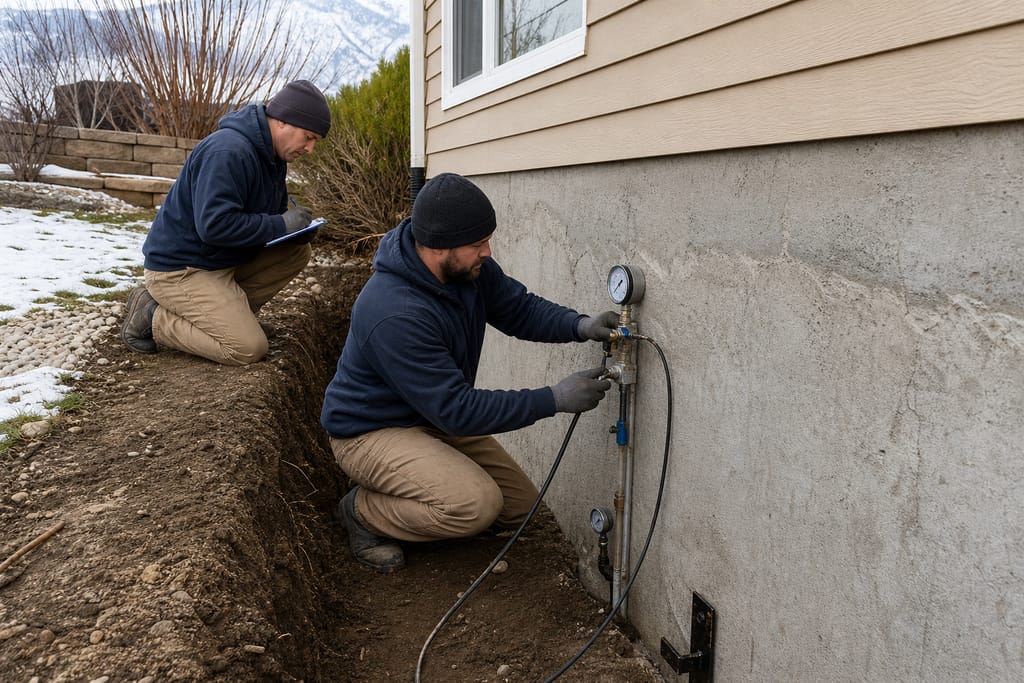
Pressure Assessment
Soil and hydrostatic pressure behind the wall are evaluated.
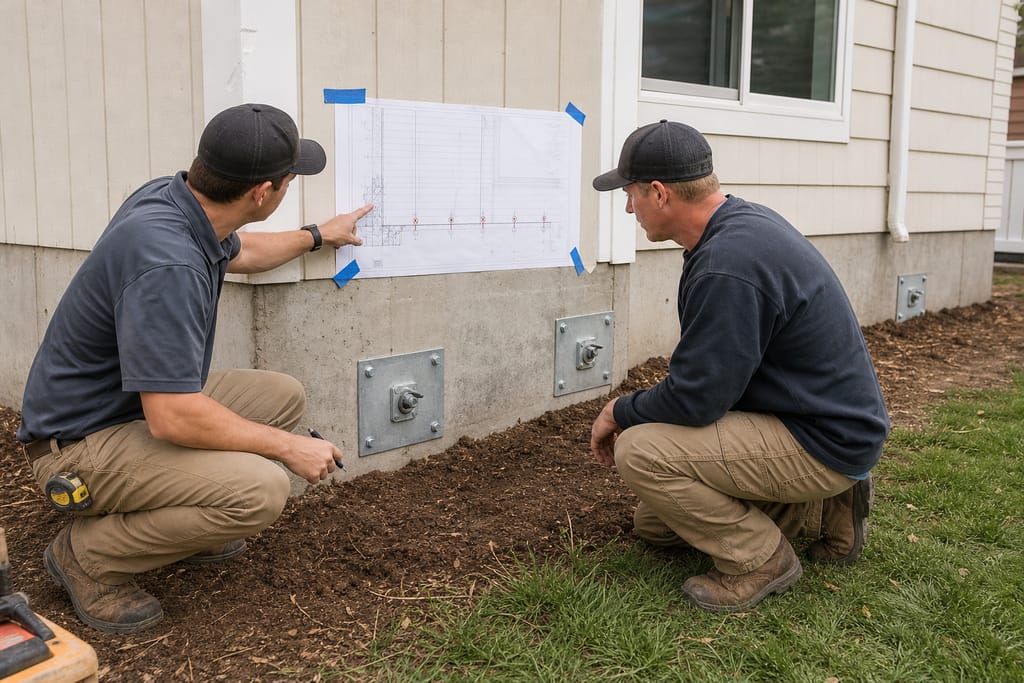 Step 3
Reinforcement Planning
Anchor, strap, or brace method chosen based on wall severity.
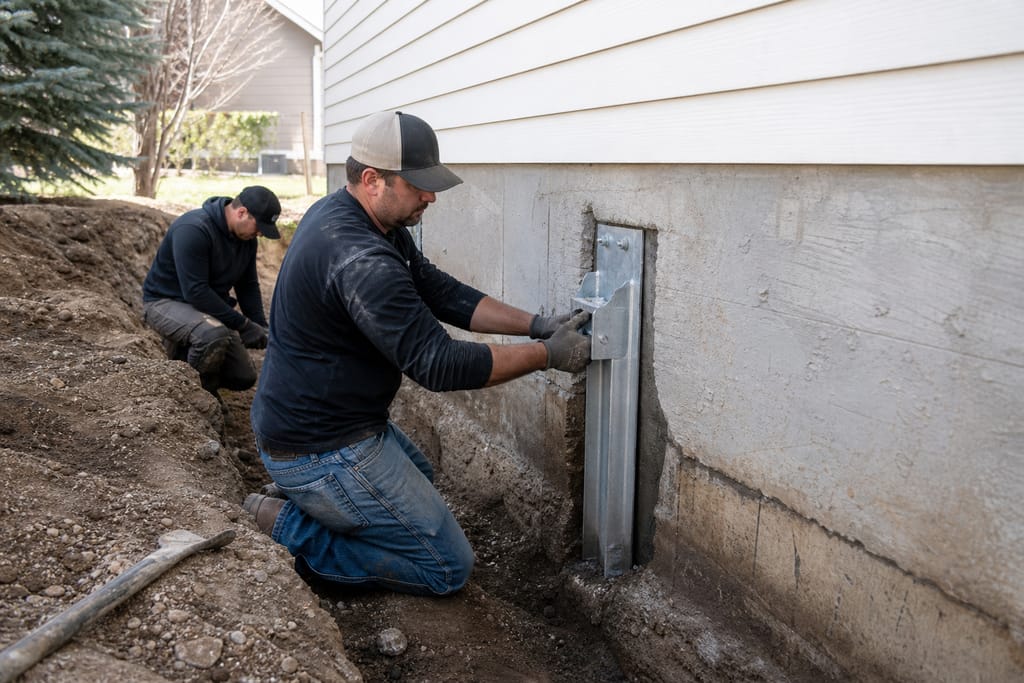 Step 4
Anchor or Brace Installation
Support system installed to halt further wall movement.
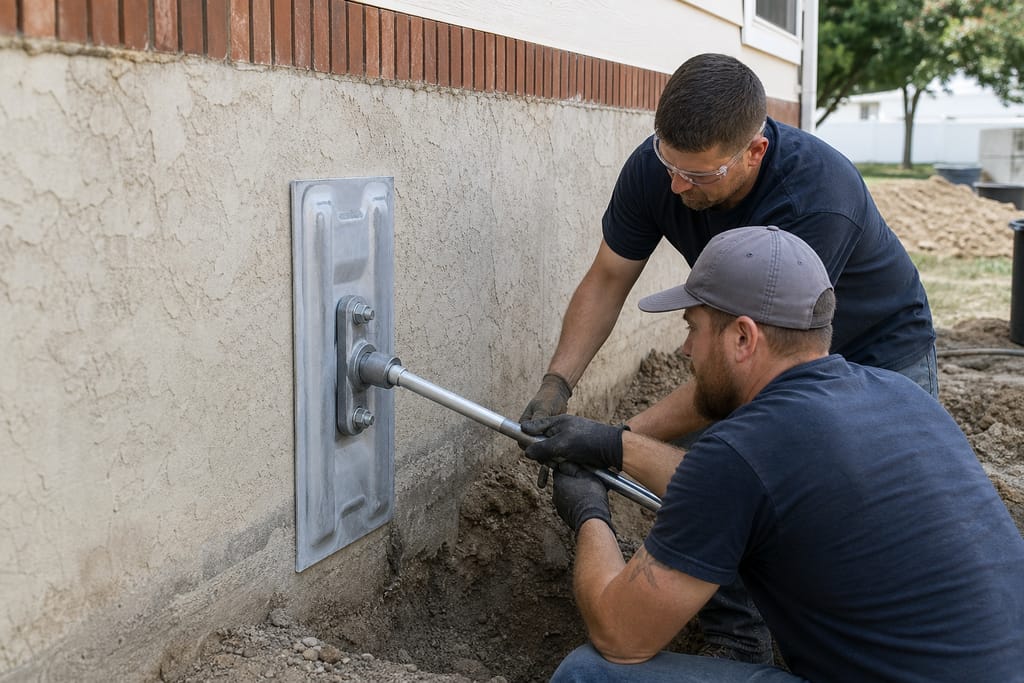 Step 5
Tensioning Adjustment
Anchors or braces tightened to gradually stabilize the wall.
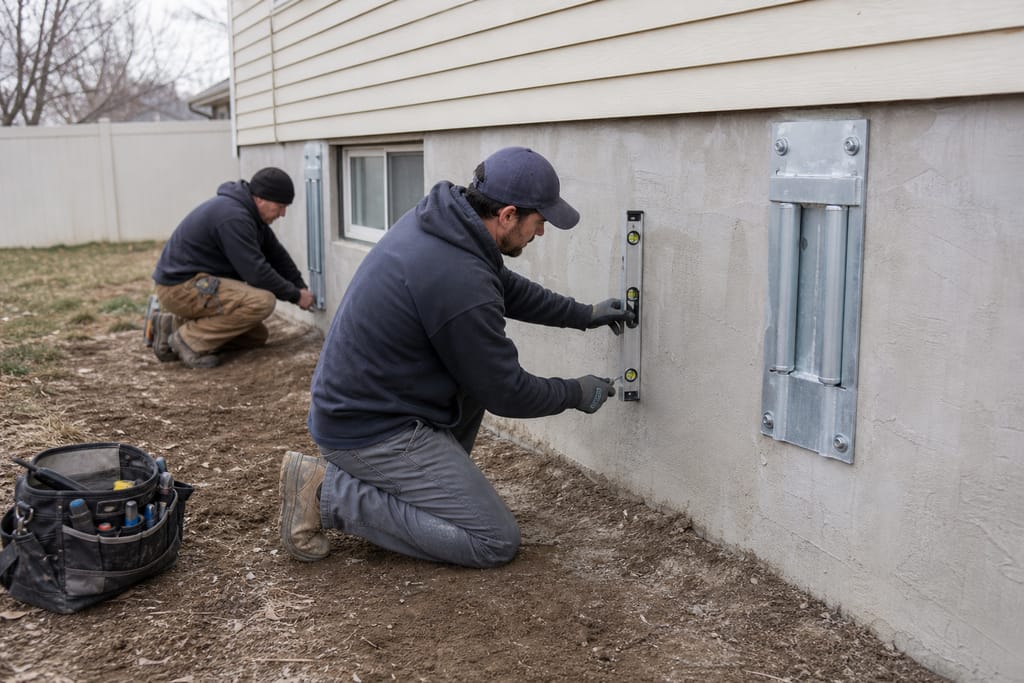 Step 6
Final Inspection
Wall rechecked to confirm stability and proper installation.
Materials
Materials and Methods for Wall Stabilization
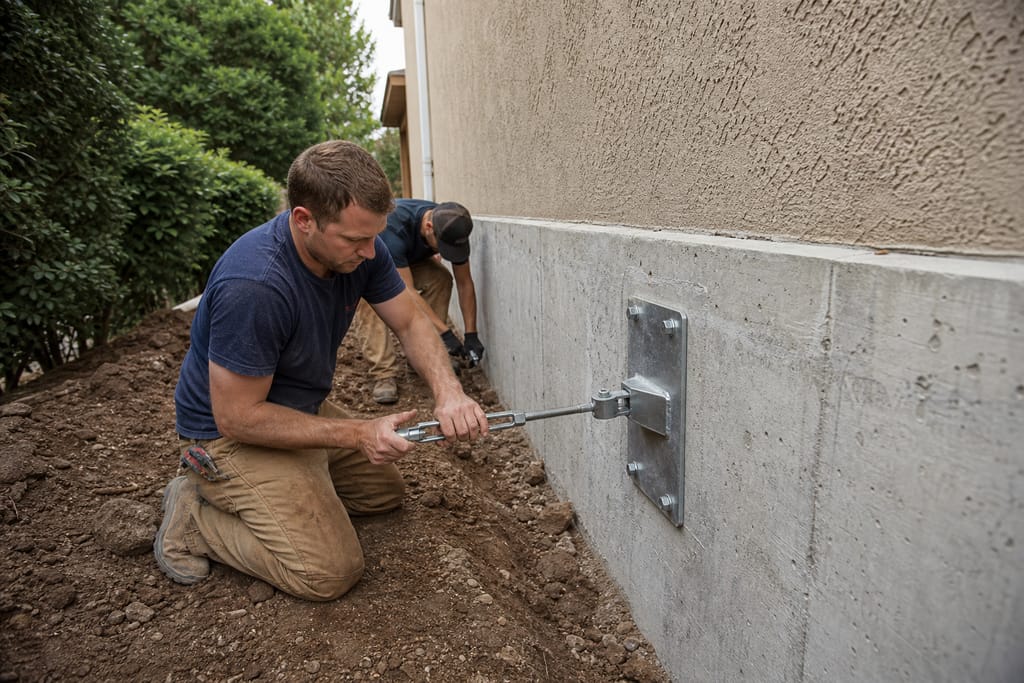
Wall Anchors
Set in the yard to counteract the inward pressure building against walls each spring thaw.
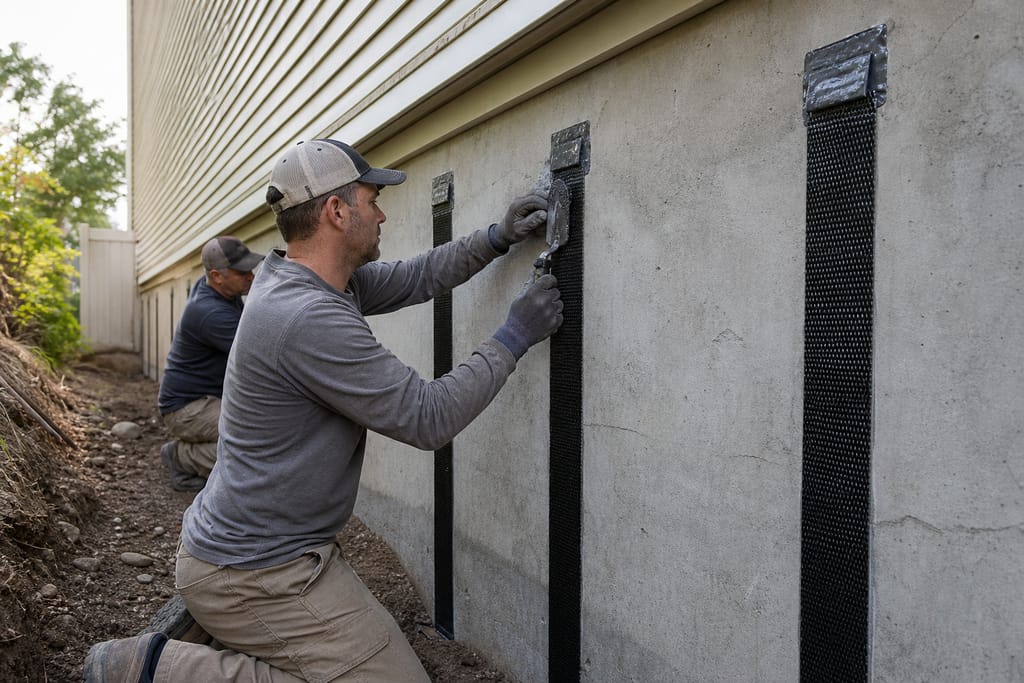
Carbon Fiber Straps
Reinforce a wall without exterior excavation, a practical option on tight benchland lots.
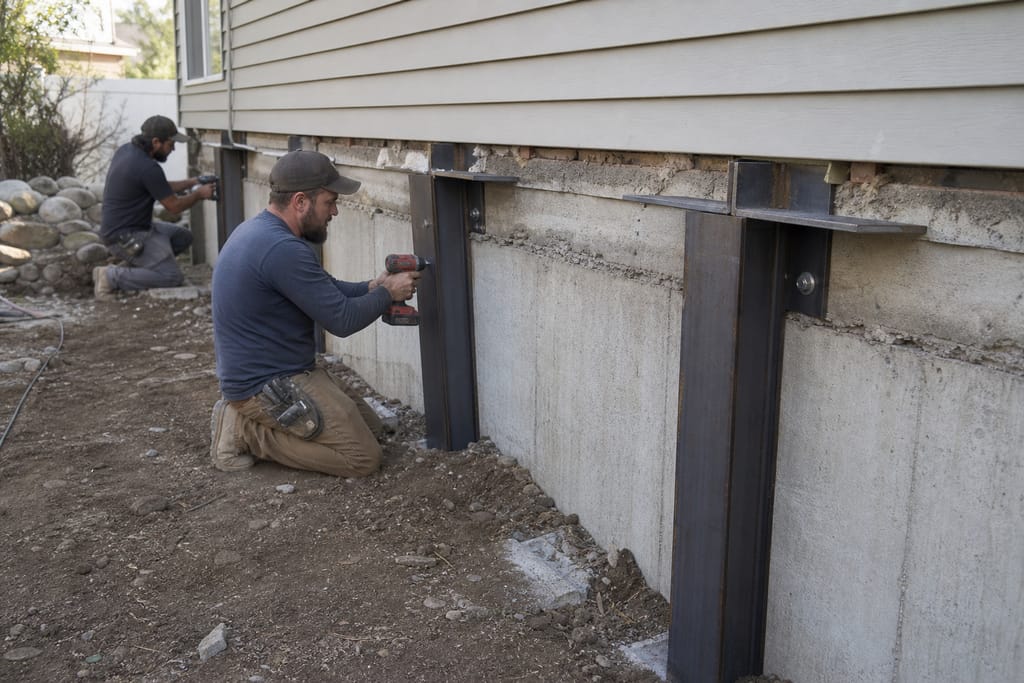
Steel I-Beams
Provide rigid interior bracing where wall movement has progressed further.
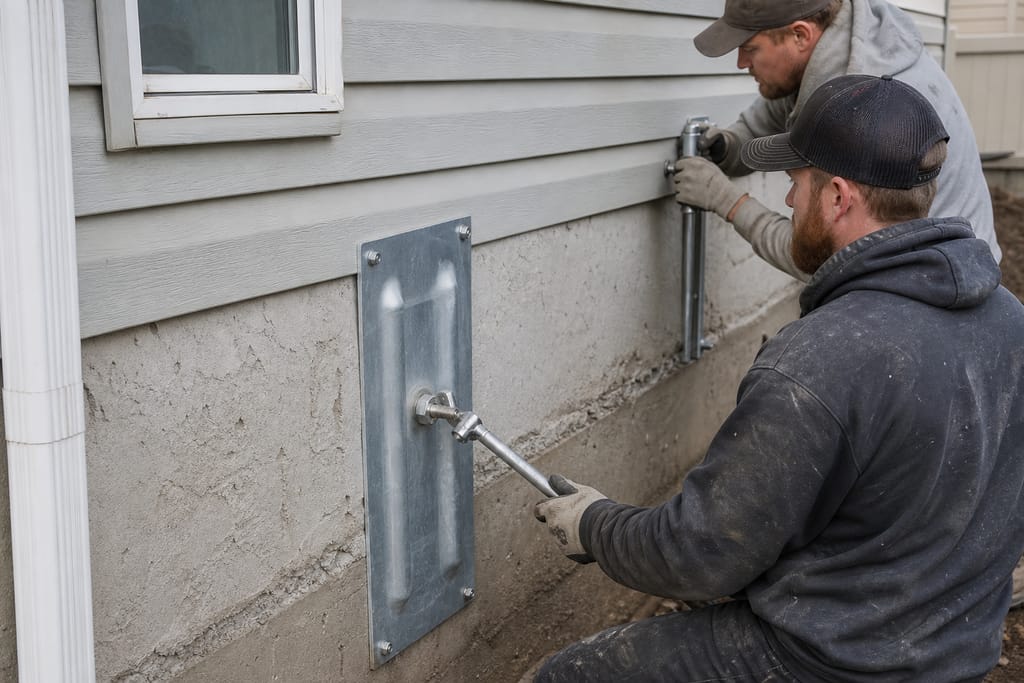
Wall Plates
Spread anchor tension evenly across the wall face to avoid stress points.
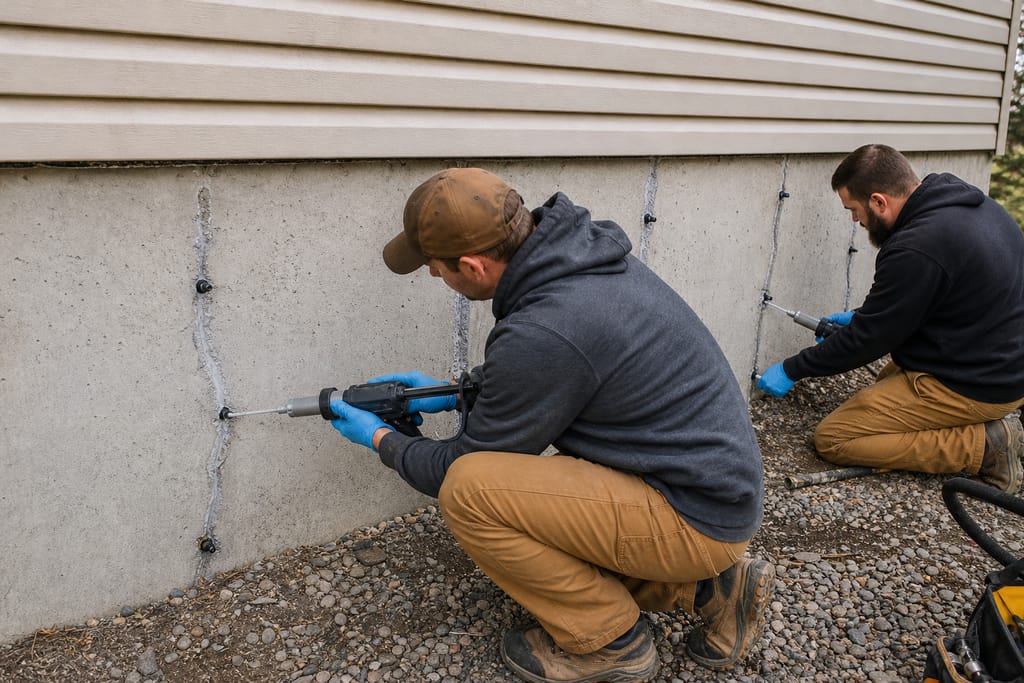
Epoxy Crack Filler
Seals existing cracks before reinforcement goes on so the repair bonds to sound concrete.
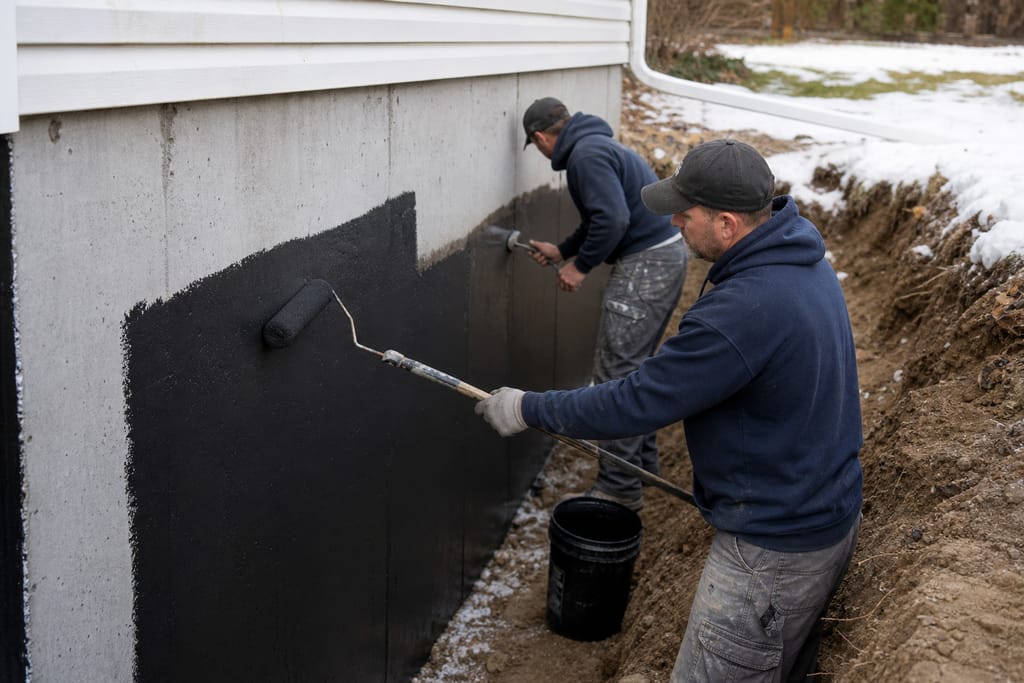
Moisture Barrier Coating
Protects the reinforced wall from the moisture that caused the pressure in the first place.
Questions on materials?
Get a Free EstimateTimeline
How Long Does a Wall Stabilization Take?
- 01
Consult and wall assessment
same day
Need a schedule that fits?
Get a Free EstimateCodes & permits
Permit filing**: 1-2 weeks where anchor or brace work requires it.
Anchor or strap installation: 1-2 days depending on wall length. Tensioning and final inspection: same day as install.
Anchor or strap installation: 1-2 days depending on wall length. Tensioning and final inspection: same day as install.
Need help with permits?
Get a Free EstimateBefore & after
Before and after Wall Stabilization
Before 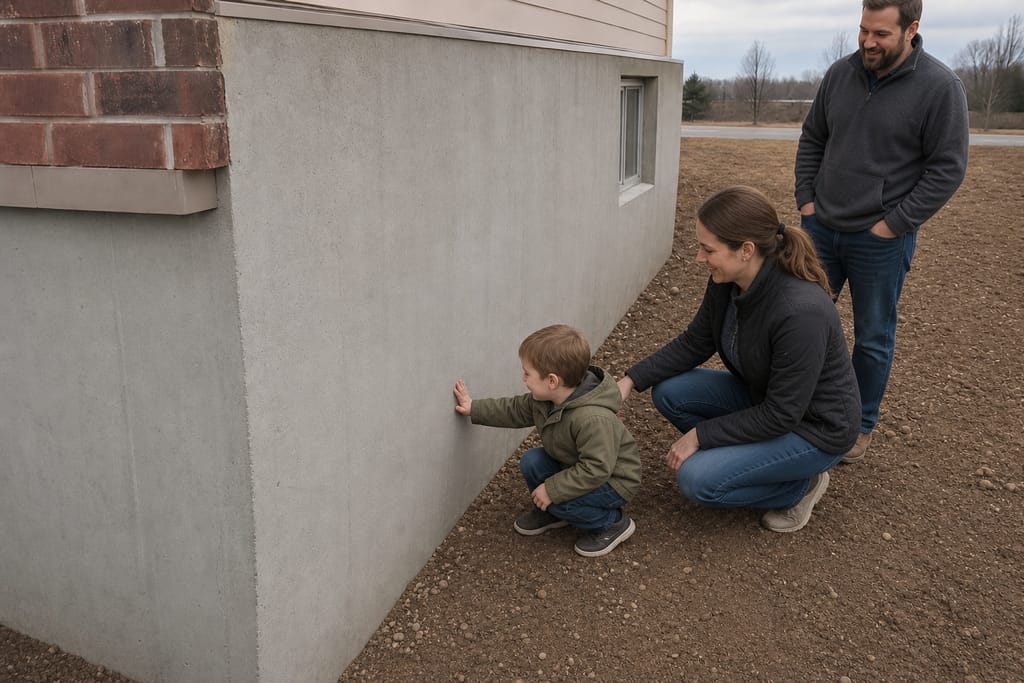
After
FAQs
Wall Stabilization FAQs
How much does it cost to fix a bowing basement wall in Utah?
Wall anchors typically run $500-$900 per anchor, carbon fiber straps run less per linear foot but suit milder bowing. Total cost depends on wall length and how many anchor points are needed.
Why does my basement wall have a horizontal crack near the top?
That pattern usually means hydrostatic pressure from saturated soil is pushing the wall inward at its weakest point, not simple settlement.
Can I fix a bowing wall myself?
Sealing a surface crack is a DIY task. Correcting an actively bowing wall requires engineered anchor or brace work; a pro assessment catches it before it worsens.
Do I need a permit for wall stabilization?
Since anchor and brace installations change the wall's structural support.
How long does it take for anchors to straighten a wall?
Gradual tensioning over weeks to months is typical, rather than an instant pull-back, to avoid new stress cracks.
Will stabilizing the wall stop water intrusion too?
Not on its own. Wall stabilization addresses the structural movement; pairing it with exterior drainage or a sump system addresses the water pressure causing it.
Next step
Get a Wall Stabilization Estimate in Centerville
Call (435) 325-2631 or request a free estimate before that bow gets worse. Centerville Foundation Pros measures the wall and gives you a written reinforcement plan.
More services
Other Foundation Repair services
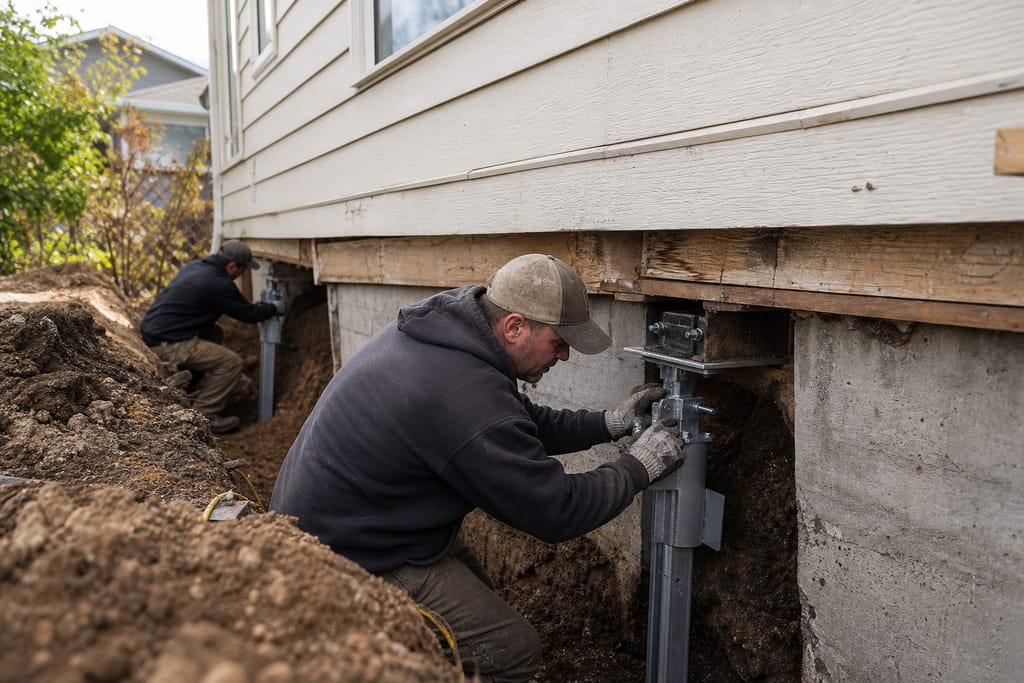
Foundation Repair
Foundation Repair in Centerville: piering, crack injection, and wall stabilization under one scope. Free estimates, no pressure.
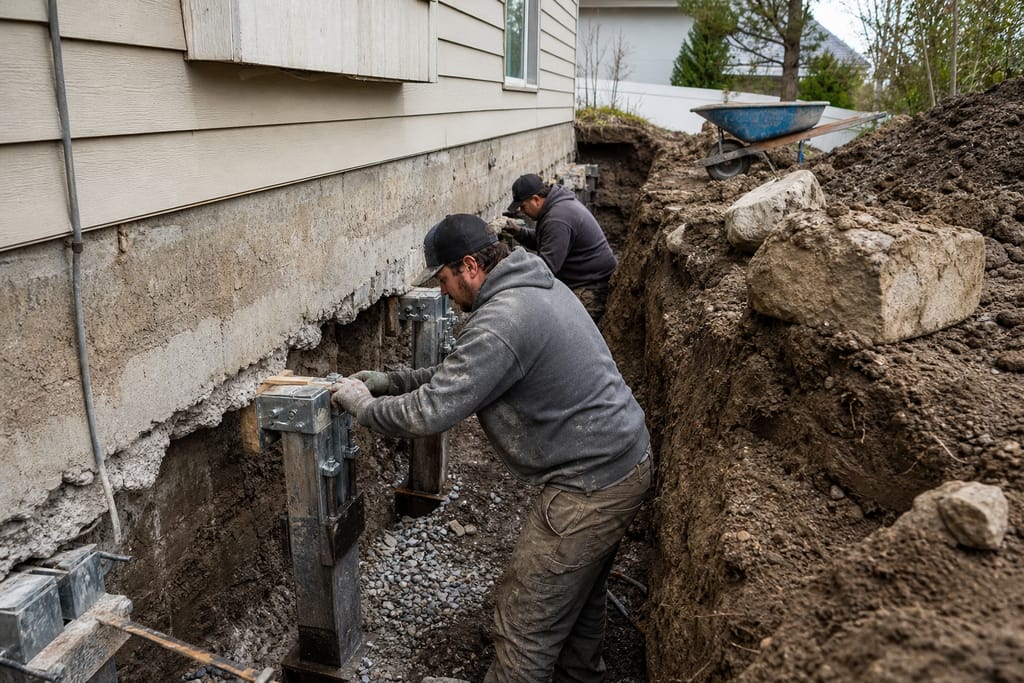
Piering and Underpinning
Piering and underpinning in Centerville, UT with steel push piers and helical piers. Free estimates on settlement repairs.
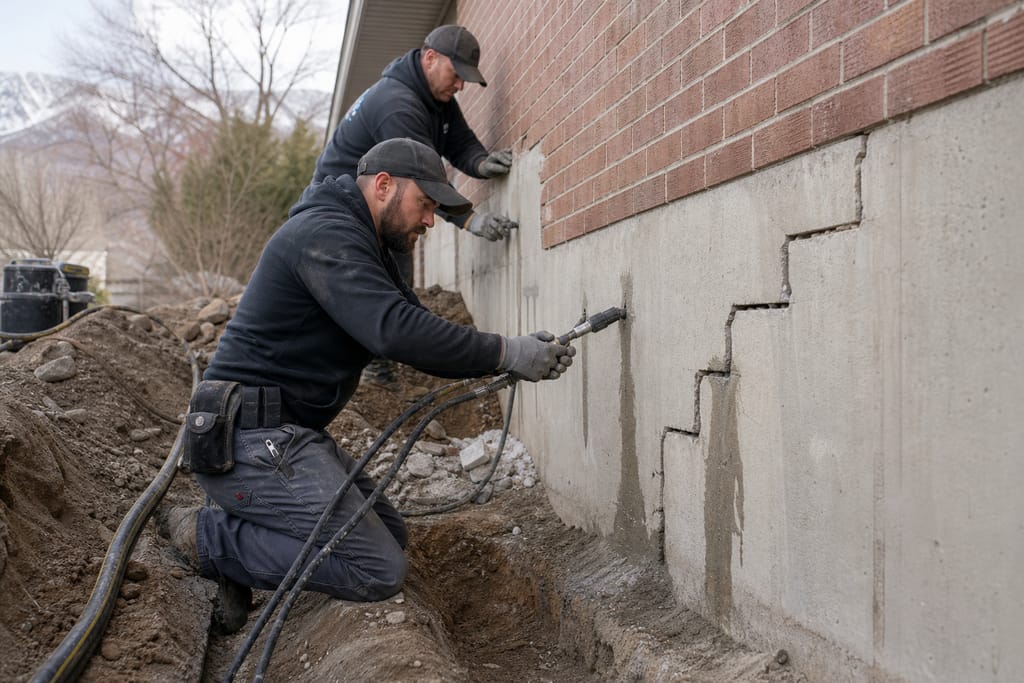
Foundation Crack Repair
Foundation crack repair in Centerville, UT with epoxy and polyurethane injection. Structural and waterproofing seals, free estimates.
Ask about Wall Stabilization
Tell us about the project and how to reach you.